
Lynne & Brian Warren
Ensuring healthy gums for Lynne and Brian
Gum disease red flags:
Lynne & Brian Warren
Ensuring healthy gums for Lynne and Brian
Patrick Dooley
Patrick's experience at Mark Tangri Dental Excellence
Most people can get mild gum disease, but some people are more susceptible to aggressive forms. Severe gum disease, especially if you have it at a young age, can run in families.
There are a few factors that put people at higher risk of severe gum disease. These include:
Watch the short video above to learn more about gum disease treatment

Gum disease is usually pain-free, sometimes called the silent disease, so you may be unaware of it until your dentist or hygienist checks for it. Here are some of the red flags:
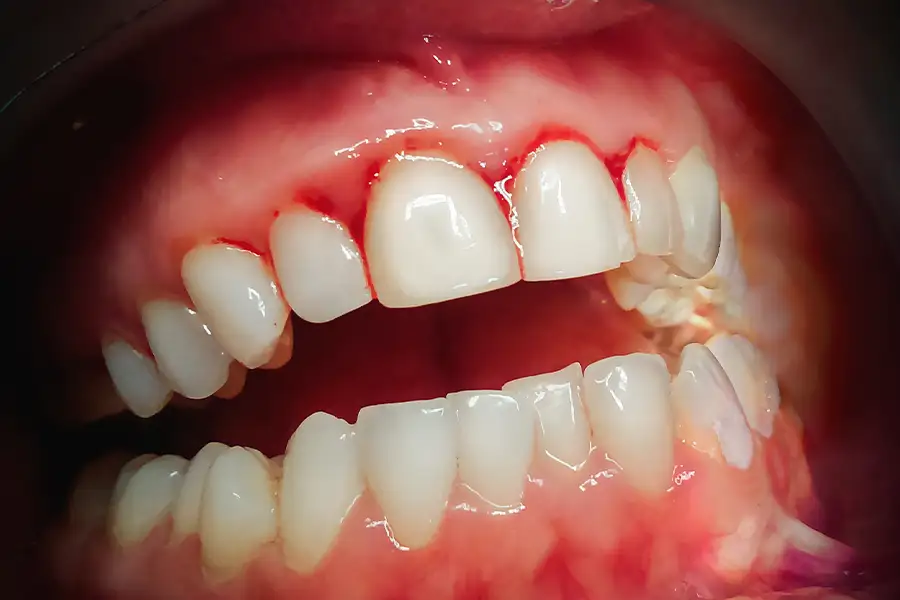
Gums that are inflamed, tender or bleed easily during brushing or flossing.
Ongoing halitosis or a constant unpleasant taste in the mouth.
Gums pulling back from the teeth, making teeth appear longer.
Advanced gum disease can affect the support structure of your teeth.
Discomfort or sensitivity may happen when gums recede and expose roots.
Gums may no longer fit snugly around the teeth, creating deeper pockets.
Gum disease is treatable when managed properly. Our experienced team can help you work towards healthier gums and better long-term oral health.


Ask your dentist to explain this in relation to your own BPE score. Your BPE score is a measure of your gum health and should be a standard part of your routine dental examination.
Please tell your dentist about any health problems and any tablets or medicines you are taking. Some conditions or medications may change how your gum disease is managed.
Treatment aims to reduce bacteria around your teeth and prevent the disease from getting worse.
Removal of teeth may be an option if disease is severe. Your dentist will explain all suitable treatment options and replacement choices where needed.
Smoking can increase the risk of gum disease, make it progress faster and reduce the success of treatment. Giving up smoking can greatly support gum health.
